
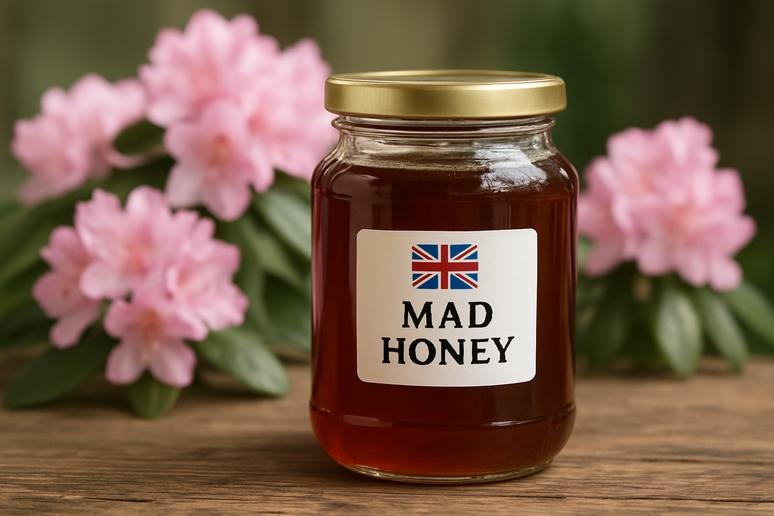

Mad honey is quite the fascinating natural product, mainly because of its psychoactive effects caused by certain toxins it contains. It’s mostly harvested in places like Nepal and Turkey, and lately, it’s been catching a lot of attention worldwide—not just for its unique buzz but also for its potential medicinal uses. Naturally, folks in the UK (and beyond) want to know: Is mad honey legal in the UK? If you’re thinking of buying, selling, or just curious about consuming this honey, it’s pretty important to understand where it stands legally and safety-wise.
Since mad honey contains grayanotoxins—substances that can really affect your body—you definitely want to know if it fits within UK regulations before diving in. This article will cover what mad honey actually is, its current legal status in the UK, what the import rules look like, how food safety comes into play, and a quick peek at how other countries handle it. By the time you finish reading, you’ll be armed with enough info to make safe and legal choices about mad honey in the UK.
What Is Mad Honey?
So, mad honey isn’t your everyday sweetener. It’s made when bees gather nectar from rhododendron flowers, mainly found in the mountainous areas of Nepal and Turkey. The twist? This honey contains grayanotoxins, which can cause some pretty intense effects like dizziness, hallucinations, and in larger amounts, even more serious symptoms. Unlike the regular honey you drizzle on toast, mad honey packs a punch.
Historically, people have used mad honey in folk medicine to tackle stuff like high blood pressure and stomach issues. Its intoxicating nature has even played a role in traditional cultural rituals in the regions where it’s found. Nowadays, more and more people worldwide are curious about mad honey—not just as a novelty but also for possible health benefits. But with all that uniqueness comes questions about safety and legality, especially in places like the UK.
Current Legal Status of Mad Honey in the UK
Here’s the deal: mad honey isn’t outright banned in the UK. Instead, it falls under the broader food safety rules that cover all food products, including honey. The Food Standards Agency (FSA) is the watchdog here, making sure anything you eat doesn’t harm you and is properly labeled.
Even though there’s no UK law that specifically calls out mad honey, it still has to follow the standard food safety regulations—especially because of those grayanotoxins that can be risky in high amounts. The FSA requires that honey on sale has to be safe and clearly labeled with details on ingredients and origin. So, sellers and importers need to tick those boxes or face penalties.
In short, while mad honey is legal, it’s regulated under general food laws—not special rules just for it. If you’re after mad honey, it’s a good idea to stay cautious, ask questions about where it comes from, and make sure it’s been tested to avoid any nasty surprises.
How UK Food Safety and Import Laws Affect Mad Honey
The Food Standards Agency doesn’t take food safety lightly, and that includes mad honey. Since this honey usually comes from abroad, it’s checked at customs to confirm it meets the UK’s import and safety standards. This helps keep harmful stuff out of the food supply, especially when dealing with natural products that can contain toxins.
Every food product coming into the UK goes through rigorous checks for toxins, contaminants, proper labeling, and health standards. That means mad honey imports have to be declared, inspected, and approved before they hit the shelves. If the grayanotoxin levels are too high, or if the product doesn’t clearly state what’s inside, it might get refused entry or even recalled.
Consumers also have the right to know what they’re buying. Labels must include the honey’s origin, ingredients, and any known risks. So if you’re purchasing mad honey, buying from trusted sellers who back their products with lab tests and authenticity certificates is the safest bet. This way, you avoid dodgy or counterfeit stuff, which can be downright dangerous.
Bottom line: UK food safety and import laws do a solid job of making sure any mad honey in the market has passed important safety checks, which helps balance its unique traits with protecting your health.
Comparison: Mad Honey Legal Status Across Key Regions
The rules around mad honey aren’t the same everywhere—they vary quite a bit depending on the country’s food safety laws and import policies. Over in the European Union, it’s generally seen as a “novel food,” which means it needs thorough safety assessments, official approval, and proper labeling before it can be legally sold. Even though the UK has officially left the EU, it still tends to stick close to similar strict food safety standards.
On the flip side, some countries have banned mad honey completely. Take Australia, for example—they don’t allow its sale or consumption because of strict biosecurity laws designed to keep risky products out. Customs there regularly check honey imports, and anything suspicious gets destroyed or sent back.
Then there are places like the USA and Japan where mad honey is allowed but tightly controlled. In the US, the FDA makes sure it meets labeling, purity, and safety requirements. Japan also has strict certification processes and customs inspections for imported mad honey.
Poland treats mad honey pretty much like regular honey, since it lacks any special regulations on it, so buying and selling is straightforward there. Many South American nations regulate mad honey through their general food safety laws. Across Africa and Asia, the rules vary but usually include some form of control to ensure safety and proper labeling.
So, the UK’s stance of no explicit ban but general food safety regulation puts it somewhere between the EU’s strict system and countries with outright bans—a bit cautious but still open.
Is It Safe to Buy and Consume Mad Honey in the UK?
While mad honey isn’t banned here, it’s important to think about safety given those grayanotoxins. They can cause anything from mild dizziness and nausea to pretty severe poisoning symptoms like heart irregularities, depending on how much toxin is in the honey—which can vary a lot based on source and processing.
If you’re looking to buy mad honey in the UK, make sure your supplier is reputable and runs lab tests to confirm safety. Transparency about toxin levels, origin, and quality control is absolutely crucial to stay safe. Steer clear of any unregulated or black-market products—they’re rarely worth the risk.
Sellers have legal duties too: they must follow UK food safety laws, including accurate labeling and making sure their products don’t cause undue harm. Otherwise, they could face seizures, fines, or even legal consequences.
To sum it up, mad honey can be safe if you only buy from trusted vendors who stick to UK standards and are open about what’s in the jar. Doing a bit of homework helps you avoid any unwanted side effects.
Where to Find Legitimate Mad Honey in the UK Market
Looking for mad honey that ticks all the legal and safety boxes? You’ll need to shop smart. Look for products that come with clear certificates, lab test results, and a verified supply chain. Some UK sellers work directly with trusted producers in Nepal or Turkey, which helps ensure quality from start to finish.
Certification from recognized food safety labs and proof of export compliance add extra peace of mind. Plus, good labeling that spells out grayanotoxin content and origin means you can make a well-informed choice.
Watch out for mad honey that’s suspiciously cheap or lacks verifiable info—these might skip safety checks or even be fake. Buying from reputable health food shops or specialty retailers with solid reputations usually means you’re getting the real deal.
In other words, doing your homework and insisting on documented quality is a must when buying mad honey in the UK.
Potential Future Changes in UK Mad Honey Regulations
The UK government and bodies like the Food Standards Agency are always reviewing food safety rules. With novel foods like mad honey under the spotlight, there’s a chance future regulations will become a bit tighter, probably more in line with EU novel food standards.
We might see clearer rules on how much toxin is allowed, stricter import controls, and tighter labeling requirements to better protect consumers. The goal is to keep the market open while making sure everyone stays safe.
For now, though, staying up to date with any changes and keeping import and quality checks strict is a smart move for both buyers and sellers.
Conclusion
So, here’s the takeaway: mad honey isn’t illegal in the UK, but it isn’t singled out by law either. It’s covered by general food safety and import rules. Sure, its unique psychoactive effects make it popular, but safety has to come first. That means buying from reputable sources that offer clear info on origin and toxin levels is key.
The UK’s approach is different from some countries with total bans but shares concerns you’d see in the EU and elsewhere, so a cautious approach is definitely wise. As rules evolve, keeping yourself informed and playing by the rules will help you enjoy mad honey safely and legally.
If you’re thinking about getting into mad honey in the UK, stick to verified products, respect food safety standards, and know your legal responsibilities. That way, you can enjoy the buzz without the hassle.