
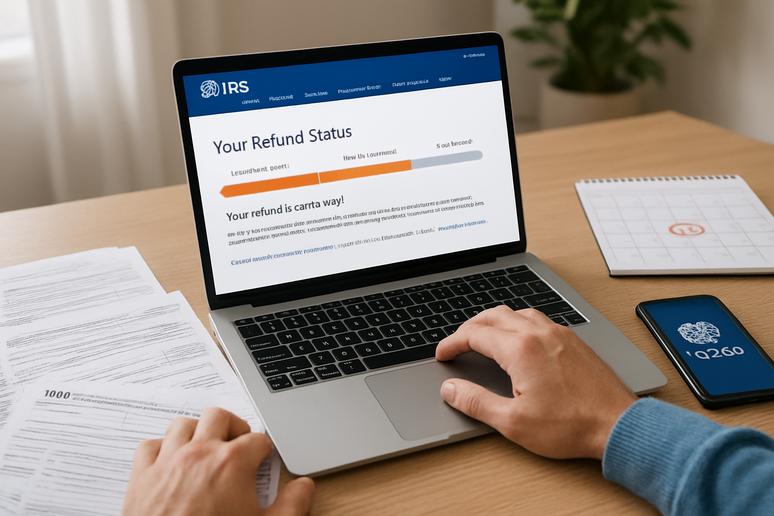

Every tax season, one question pops up more often than you’d expect: “How long should a tax refund take?” This is especially common among UK residents sorting out their US tax affairs. Getting a handle on the IRS tax refund timeline for 2026 can really take the edge off the uncertainty and help you plan better. In this guide, I’ll walk you through the full scoop on the IRS refund timeline for this year, how to check your refund status effectively, and the usual suspects behind refund delays. Whether you’re filing electronically or sending in paper forms, knowing what to expect makes tracking your refund—especially from across the pond—a lot less stressful.
Understanding the IRS Tax Refund Process
What Happens After You File Your Tax Return?
Once you hit send on your tax return, whether online or on paper, the IRS swings into action. For electronic filings, they usually start reviewing your submission within 24 hours—pretty quick, right? Paper returns, on the other hand, take a bit more patience. They have to be manually entered and sorted, so it’s a slower process.
The IRS checks your return for errors, verifies the info you provided, and confirms you qualify for a refund. How fast they go depends on a few things: the accuracy of your return, whether they need extra verification, and how busy they are. Electronic returns generally zip through faster, but if there’s a backlog or missing info, you might find yourself waiting longer than expected.
IRS Standard Refund Timeline for 2026
For 2026, the IRS aims to get refunds out within about 21 days from receiving your electronic return. This timeframe has been pretty consistent over recent years, unless something unusual pops up. Paper returns? They usually take longer—think six to eight weeks—thanks to all that manual processing.
If you’re claiming things like the earned income tax credit or extra child tax credits, expect things to take a bit longer too. And if you’re filing on paper, brace yourself for the extended wait. One good thing: the IRS updates refund statuses every day. So, if you file quickly and everything’s spot-on, you’re often rewarded with faster refunds.
How to Check Your IRS Tax Refund Status Effectively
Using the IRS “Where’s My Refund?” Tool and IRS2Go App
The IRS makes it pretty easy to keep an eye on your refund. Their official “Where’s My Refund?” tool online and the IRS2Go mobile app let you check your refund status anytime. Just have your Social Security Number (SSN) or Individual Taxpayer Identification Number (ITIN), your filing status, and the exact refund amount handy. The info updates once every 24 hours, so you’re never in the dark for too long.
Checking Your Refund via IRS Online Account
For a deeper dive, setting up—or logging into—an IRS online account can be a real game changer. You get to see detailed updates about your return, any notices, and your refund status all in one place. If you’re in the UK managing US taxes, this is a solid way to stay looped in without endless phone calls or waiting on letters in the mail.
Contacting the IRS by Phone: What to Expect
Thinking about calling the IRS directly? Fair warning—it can be a bit of a time sink. The automated phone service usually gives quick updates without the wait, but if you need to talk to a live person, brace yourself for possible hold times, especially during tax season crunch time. Definitely have your tax info ready, but I’d recommend checking online first—it’s usually faster.
Tracking State Tax Refunds in the UK Context
If you’re waiting on refunds from US states, it’s a different ballgame. Each state has its own refund timeline and process. So, knowing the right state tax agency to contact is crucial. Luckily, the Federation of Tax Administrators has contact info for every state’s tax department. Handy if you have to juggle refunds from multiple places.
Common Reasons Why Tax Refunds Take Longer
- Errors or Incomplete Information on Your Tax Return
Even small mistakes—think wrong income amounts, filing status mix-ups, or missing signatures—can slow everything down. The IRS usually has to review these returns manually, which drags out the wait. - Identity Verification Delays
To keep fraudsters at bay, the IRS might ask you to prove who you are before sending the refund. This can add days or even weeks if you don’t respond quickly or if paperwork is missing. - Additional Review or Audit Triggers
Got unusual deductions? Claiming a high refund? If something seems off compared to your income, your return might get flagged for extra review. And yes, this can really add to the processing time. - Processing Delays Due to Paper Returns
Paper forms mean manual data entry and postal times—no surprise that these take longer. - Impact of Tax Season Volume and IRS Staffing
During the busiest time of the year, the flood of returns combined with limited staff (even with temp hires) can slow things down. - Outstanding Debts or Offset Issues
If you owe child support, student loans, or back state taxes, your refund might be reduced or held to cover those debts. The IRS will notify you if this happens, but it means delays until the rest is sorted.
Tips to Ensure a Faster Tax Refund
- File Electronically with Direct Deposit
This combo is the fastest way to get your cash. Avoid postal delays entirely and let the IRS process your return in record time. - Complete Your Tax Return Accurately
Spend a little extra time double-checking your details—SSNs, income numbers, bank info—all of it. It saves a ton of headaches later on. - Avoid Common Errors
Miscalculations, wrong filing status, missing signatures… these trip up many taxpayers. Using reliable tax software or even a pro can keep you on track. - Respond Promptly to IRS Requests
If they reach out asking for more info or documents, don’t delay. The sooner you reply, the quicker your refund moves along. - Stay Informed About IRS Updates and Timelines
The IRS sometimes changes processing details mid-season. Keeping an eye on announcements helps you adjust your expectations.
What to Do If Your Tax Refund Is Delayed or Missing
Using the IRS Taxpayer Advocate Service for Help
If you’re stuck with long delays that feel unfair, the Taxpayer Advocate Service (TAS) is there to help. They can step in and work with the IRS to cut through backlogs when things get really tangled.
Steps Before Contacting the IRS
Before picking up the phone, check your refund status online first and gather all your tax docs. Have your Social Security number, filing status, and refund amount at the ready to speed things up.
When and How to File a Refund Trace or Claim
If your refund doesn’t show up after the expected window, you can start a refund trace by calling the IRS or filing Form 3911. This kicks off an official search for your missing refund.
Knowing Your Rights and Next Steps
You have the right to timely refunds and clear communication from the IRS. Stay on top of things, use official IRS channels, and avoid sketchy third-party “help” services that often cause more trouble than they fix.
Conclusion
So, back to the big question: how long should a tax refund take? For 2026, if you e-file, you’re usually looking at about 21 days before the refund lands in your bank. Paper returns? Expect to wait longer. Using IRS online tools to track your refund is a smart move—especially if you’re in the UK dealing with US tax matters. Filing accurately, responding fast to IRS requests, and staying patient will make your refund journey smoother. Keep calm, stay informed, and always rely on official IRS resources to follow your refund through the process this tax season.
