
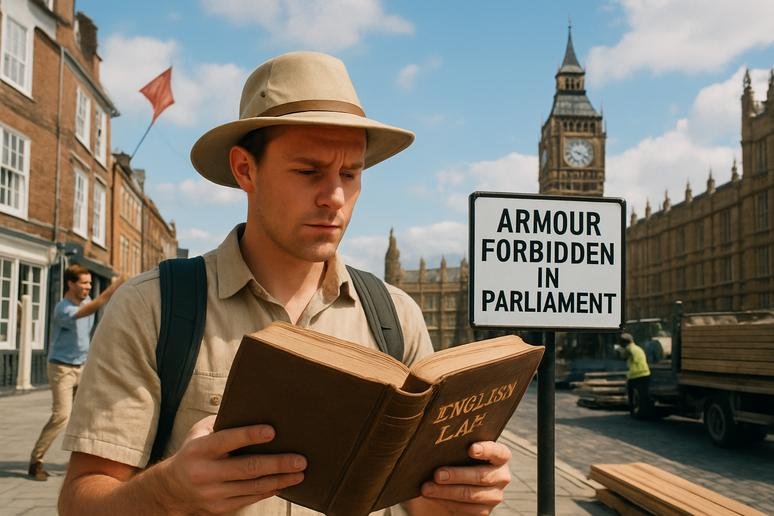

England’s legal system is full of some seriously weird laws that have somehow stuck around for centuries. Known as crazy laws in England, a bunch of these bizarre rules are rooted in history but still hang about in the modern legal code. They’re often super specific and downright odd, reflecting customs and concerns from ages ago. Think bans on kite flying or rules against wearing armor in Parliament—England’s legal quirks are a wild mix of outdated and quirky bits of legislation. Let’s dive into some of the most absurdly specific crazy laws in England that you probably won’t believe are still “official”.
Why Do Crazy Laws in England Still Exist?
So, why are these strange laws still kicking around? Many of them date back to medieval or Victorian times when life was quite different. Laws about carrying cattle or wood on pavements actually came from real safety worries—imagine those packed streets with horse-drawn carts! But even though centuries have passed, these laws remain mostly because the legal system is slow to catch up and repeal archaic rules. And while they’re rarely enforced nowadays, these dusty laws offer a peek into England’s layered legal past and sometimes still matter when it comes to public safety or preventing nuisances.
The Most Absurdly Specific Crazy Laws in England You Won’t Believe Are Real
Carrying Planks of Wood on Pavements is Illegal Unless You’re Unloading
The Metropolitan Police Act says you can’t carry planks of wood along pavements unless you’re unloading them. Sounds weird, right? But it actually comes from an effort to stop people from accidentally hurting folks walking on those narrow, crowded streets.
Flying a Kite in Public Places is Technically Illegal
According to the Metropolitan Police Act 1839, flying a kite can be seen as a public nuisance—so it’s technically against the law in public spots. The idea was to avoid distractions and accidents caused by kite strings or objects flying low where crowds or traffic are. Learn more about unusual regulations and surprises in various industries.
Gambling is Banned in Public Libraries
Libraries are supposed to be quiet havens for reading and studying, right? UK law prohibits gambling inside them, keeping the peace and avoiding disruptions. It’s one of those stranger-but-sensible rules that make sense when you think about it.
Taxi Drivers Must Not Transport Rabid Dogs or Passengers with Serious Diseases
The Public Health Act 1936 requires taxi drivers to refuse rides to rabid animals and ask passengers about infectious diseases like smallpox or plague. Sounds extreme now, but it was a serious public health measure back in the day.
The “Treason” Rumour About Upside-Down Postage Stamps
You might have heard people say that putting a postage stamp with the monarch’s head upside down is treasonous. Well, that’s a myth. The Treason Felony Act covers defacing currency, not stamps, and Royal Mail says upside-down stamps are fine. Goes to show how legal myths get tangled with folklore!
Being Drunk in a Pub or Licensed Premises is Illegal
The Licensing Act 1872 (updated in 1988) makes it illegal to be drunk in pubs or licensed venues. It’s all about stopping public drunkenness from causing trouble—so some of these weird laws still affect daily life.
Walking Cows Down the Street in Daylight Without Permission is Banned
Since the Metropolitan Streets Act of 1867, you can’t walk cattle through London’s streets between 10 am and 7 pm without police okay. This was to keep busy streets safe and free from blockages.
Wearing Armour is Forbidden Inside Parliament
This one goes way back to 1313! MPs aren’t allowed to wear armor inside Parliament to prevent violent clashes during sessions. It’s a quirky little nugget from medieval power struggles that’s still technically law. For more on unique historical stories, check out Cory Hein’s personal journey and highlights.
Shaking or Beating Rugs in the Street is Not Allowed
The Metropolitan Police Act Section 60 bans shaking rugs or carpets in the street—except for doormats before 8 am. It’s meant to reduce dust and dirt flying around crowded city roads.
Whales and Sturgeons Must Be Offered to the Monarch When Beached
This medieval law from 1322 says beached whales or sturgeons have to be offered to the reigning monarch. Today, it’s mostly ceremonial, but it’s a fascinating look at how royal privileges have survived through the ages.
More Bizarre (and Surprisingly Enforced) UK Laws
- “Knock Knock Ginger” (Doorbell Disturbance) is an Offence
That annoying prank of ringing doorbells and running is actually illegal under the Metropolitan Police Act 1839, protecting people from nuisance and harassment. - Drunkenness While Managing Cattle or Vehicles is Illegal
Not just public drinking, but being drunk while handling cattle, horse carriages, or even steam engines on roads is banned to keep everyone safe. - Queue Jumping at Tube Stations is Against the Law
Transport for London rules say no jumping the queue in tube ticket halls—because fairness matters, especially when it’s busy. - Dressing Up as Police or Armed Forces is Prohibited
Acts from 1906 and 1996 ban impersonating police or military personnel to avoid confusion and potential danger. - Having a Pigsty in Front of Your House is Illegal
The Town Police Clauses Act 1847 forbids pigsties in front of streets unless hidden by walls or fences, reflecting old concerns about hygiene. - Royal House Pet Mating Restrictions (Historical Context)
Once upon a time, it was illegal for pets to mate with the royal household’s dogs, punishable by death until 1965—talk about royal exclusivity! - Sliding on Icy Streets is Illegal
The Metropolitan Police Act 1839 also bans sliding or skating on icy streets to prevent accidents and nuisance. - Hanging Clothes Across the Street Could Get You Fined
The Town Police Clauses Act 1847 imposes fines up to £1,000 for hanging laundry across streets, aiming to keep them clear and safe. - Killing or Injuring a Swan is an Offence
Mute swans belong to the Crown, so it’s illegal to harm them, protecting a key piece of royal heritage. - Watching TV Without a Licence is a Criminal Offence
The Communications Act 2003 says you need a licence to watch TV—skip it, and you could be fined up to £1,000.
What Do These Crazy Laws Mean for the Modern Citizen?
Most of these wild laws hardly get enforced today but are technically still part of the rulebook. Knowing about these quirky English laws can save you from accidentally breaking some old rule, especially if you’re travelling or living in historic areas. Plus, some of them still matter for public safety, reducing nuisances, or preserving traditions that keep life orderly. In the end, understanding these eccentric rules gives you a neat look into England’s rich legal history and why local customs sometimes really count. For insights on changing trends and future growth, see The biggest shifts and trends driving short- and long-term growth in the future.
How Crazy UK Laws Reflect England’s Unique Legal History
These bizarre British laws are like time capsules, showing how England’s common law and statutes evolved over time. Many are leftovers from medieval traditions or Victorian-era rules that laid the groundwork for today’s legal system. Even as reforms roll on, these ancient laws remind us of England’s cultural past and fuel public fascination with legal oddities across the UK. If you’re interested in unique UK narratives, check out OnlineEasyPay arrives on the online shopping platform ShopOnline.com.
Conclusion
England’s crazy laws are a fascinating peek into history—full of wild, oddly specific rules that have survived for centuries. From banning kite flying to MPs forbidden from rocking armor, these strange laws capture the quirks of England’s legal tradition and social past. They might seem impractical today, but knowing about them helps you appreciate how England’s unique legal system came about. Whether these laws are enforced or just gathering dust, they’re a reminder to stay curious and informed. So, which of these bizarre English laws took you by surprise? Have you ever stumbled across any quirky local rules? Sharing your stories keeps the conversation about England’s legal oddities alive!